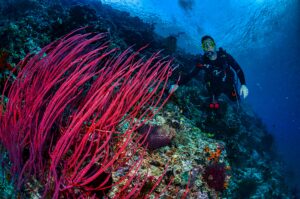
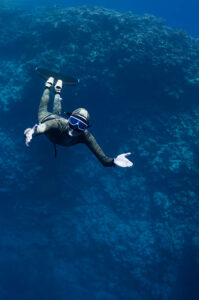
Do you have questions about scuba diving certification? Do you search for some factors to help you choose a good scuba diving course? This article was written specifically for you, so follow along.
How can I get a scuba diving certification?
To become a certified scuba diver, you must pass a scuba diving course from a recognized diving training agency or instructor. During the course, you will learn about the basics of scuba diving which include:
- Scuba diving skills.
- Scuba diving equipment.
- Dive theory.
- Dive planning.
- Communication underwater.
You will also practice many water skills in actual scuba dives until you practice the skills in a professional way.
How to Choose the Right Scuba Diving Course?
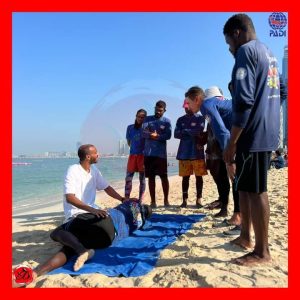
You can find many scuba diving courses that are suitable for different interests and skill levels. So, before you choose a scuba diving course, set your priorities and consider your physical abilities, personal goals and the type of diving you are interested in.
Experts from Drar Diving Center recommend the Open Water Course for beginners. The Open Water Course isn’t only the most popular but also covers the basics of scuba diving including:
- Scuba diving equipment.
- Dive planning.
- Dive theory.
- Scuba diving skills.
In addition to that, you will learn about dive tables, dive safety, and dive computers.
Identifying a Good Scuba Diving Course
There are many factors that should affect your choice of the appropriate scuba diving course for you including:
-
Accreditation
It is very crucial to look for a scuba course that is accredited by a recognized diving organization to make sure that it meets the universal standards for safety, training, and quality.
-
The qualifications of the instructor
You must choose an instructor with a good reputation in the diving community. He must be qualified enough and experienced. Ensure that he has a professional diving certification and consider his up-to-date emergency response and first aid training. The quality of the course basically depends on the experience of the instructor which should range from 25 up to thousands of hours total spent diving.
-
The content of the course
A good scuba diving course should be designed to provide a comprehensive understanding of scuba diving by covering a range of topics including:
- Scuba dive theory.
- Scuba diving techniques.
- The emergency procedures.
- Scuba diving skills.
-
Training in the water
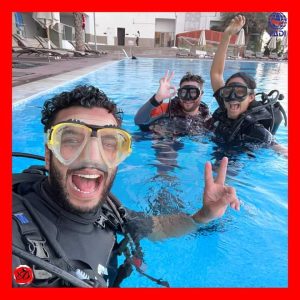
A good scuba diving course offers more training time in the water. In such a course, you will have an opportunity to practice and improve your scuba diving skills. The instructor in the course should ensure you don’t get things wrong. Compare the amount of time of in-water training that every course offers.
-
The length of the course
You should choose a comprehensive scuba diving course that gives you enough time to learn and repeat practicing your scuba skills until you master them and have enough knowledge to scuba dive safely. The diving course that doesn’t provide that has poor results leading to less comfort, competence, and confidence after getting the certification.
-
The cost of the course
Don’t let the cost be the primary factor while choosing a scuba course. Always look for the one that provides good value for money. If you choose a cheaper course, ensure it includes necessary materials and equipment that have no hidden costs, and remember that the cheaper costs will have no benefits if the training is inadequate.
-
Reputation
Look for a dive shop and an instructor that has a good reputation. If you have a list, read the reviews of each one to get information about the level of customer satisfaction. You can receive help from diving social media groups to get more professional opinions and recommendations.
-
Methods of training
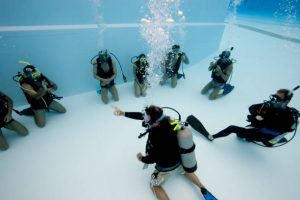
Different scuba diving courses have different methods of practicing. In general, neutral buoyancy training courses are recommended over the courses that make students kneel on the floor while practicing scuba skills.
The Different Types of Diving You Can Do with a Scuba Diving Certification
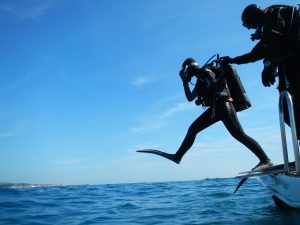
Have you got your scuba diving certification? What are you waiting for? The world is now your oyster! You can now practice several different types of diving, such as:
-
Recreational diving
You can do this type of diving in shallow waters if you are interested in exploring the underwater world.
-
Specialty diving
This type can be suitable for you if you are interested in specialized diving activities such as:
- Night diving.
- Ice diving.
- Underwater photography.
- Using dive propulsion vehicles while diving.
-
Technical diving
If you seek a more adventurous type of diving, technical diving will be the best choice. It is a more advanced type in which you dive deeper and in more challenging conditions.
It is a type of diving that is interested in exploring fascinating caves underwater.
It is a type of diving in which you can explore shipwrecks and other structures underwater.