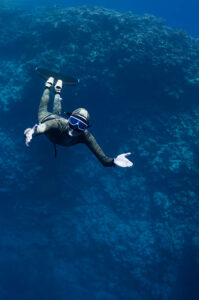
As there is a type of diving to every passion you have, wreck diving is considered the ultimate excitement for history enthusiasts. It is a specific type of diving that requires additional skills and provides you with a fulfilling experience.
So, what is wreck diving? What are its types? And why should I try it? You will get all these questions’ answers and more after finishing this article.
What is Wreck Diving?
Wreck diving is one of the types of diving that has become popular among enthusiasts of diving worldwide. When we dep in the water, we slip into an entirely new and different world. Wreck diving specifically will take you to a whole different level, as it is like a window that shows you the maritime history and reveals many secrets from the past.
Wreck diving is commonly associated with shipwrecks, but the term “wreck” refers to anything that has been destroyed such as wrecks of cars and sunken aircraft.
Wrecks are mostly formed as a result of a catastrophic event that occurred in the past, such as a plane crashing or a ship sinking. Sometimes people deliberately sink these vessels and vehicles to create so-called “Artificial wrecks”.
These artificial wrecks act as a substrate in which algae settle and the small marine creatures treat it as their home. They are created to encourage underwater tourism by placing them in locations that lack other features.
Types of Wreck Diving
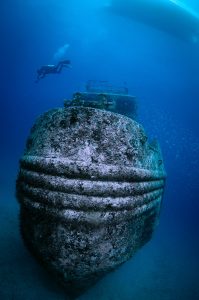
We can divide wreck diving according to the specific location of diving into three categories:
1)- Non-penetration Diving
Non-penetration diving is considered the least hazardous type of wreck diving and it is mostly done by the beginner scuba divers, although they can’t do it without completing the wreck diver course.
In non-penetration diving, you will enjoy swimming over the wrecks and you will face fewer risks. The risks you may face are limited to the presence of sharp edges and tangled fishing nets.
2)- Limited Penetration Diving
In limited penetration diving, you will be able to dive into the “light zone” which is any part of the wreck that is visible to you and illuminated externally without using flashlights.
In this type of wreck diving, you are exposed to all kinds of dangers depending on the type of wreck you dive into.
3)- Full Penetration Diving
In full penetration diving, you will dive beyond the “light zone”. It is considered the most dangerous type of wreck diving, as there is a greater level of risk on entering the darkness of the wreck where you may get lost.
This type of wreck diving is risky even for certified divers, as it involves technical diving and needs past diving experience and special training.
Why choose wreck diving?
People choose wreck diving for many reasons. The physical remnants of the vessels and vehicles are like a mysterious thrill that can inspire your imagination. It is the ideal unforgettable adventure for history enthusiasts and natural explorers.
If you have never had the chance to observe a floating vessel up close, with the wreck diving, you can see everything, large machinery, little parts of the wrecks, or even the ancient artifacts that may have monetary value. You can also consider it as a site you can make treasure hunting on as long as it isn’t protected by the law.
Next to the thrill of discovering a range of objects from maritime history, you go wreck diving to enjoy seeing the unique effects of nature on something that had been made by humans, as after years, these wrecks grow and are covered by coral reefs to become at the end an artificial reef.
Dangers You May Face While Wreck Diving
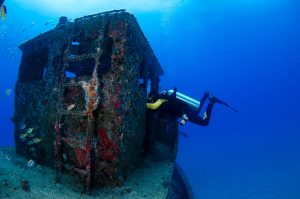
With modern diving technologies and the much research that has been done on technical diving, we can say that wreck diving has become safe. Actually, it is generally more safe if we compare it with cave diving or ice diving.
However, there are many factors in the depths that can turn initial problems into a life-threatening situation if they don’t resolve quickly.
To be aware of these dangers, learn to deal with them correctly cause that will make your wreck dive more safe and more enjoyable. These dangers include:
Getting Trapped
If the wrecks that you dive into have formed for hundreds of years, they will be unstable and can break apart easily.
So, it is better to not venture inside them cause the exit points may become blocked and also the support of the heavy parts may collapse and fall on you.
Getting Injured
Even if you don’t get trapped, you may suffer lacerations as there are many sharp metals and corals in the wrecks especially if they are in small areas.
You may also suffer decompression sickness regarding to the large depth you are in, decompression sickness is commonly a life-threatening condition that occurs when you breathe compressed air at great depths.
Getting Lost
On diving in large wrecks. many scuba divers mark their exit routes and lay lines to be able to return safely to the starting point as well as using flashlights.
Losing Visibility
As your good visibility depends on your flashlight, there is a risk of losing it or it runs out of battery. A slit out may also happen after it you will get covered in a cloud of sediment that will reduce your visibility.
Losing Air
The danger of getting lost lies in the remaining breathing gas while scuba diving, as your breathing gas supply will run out.